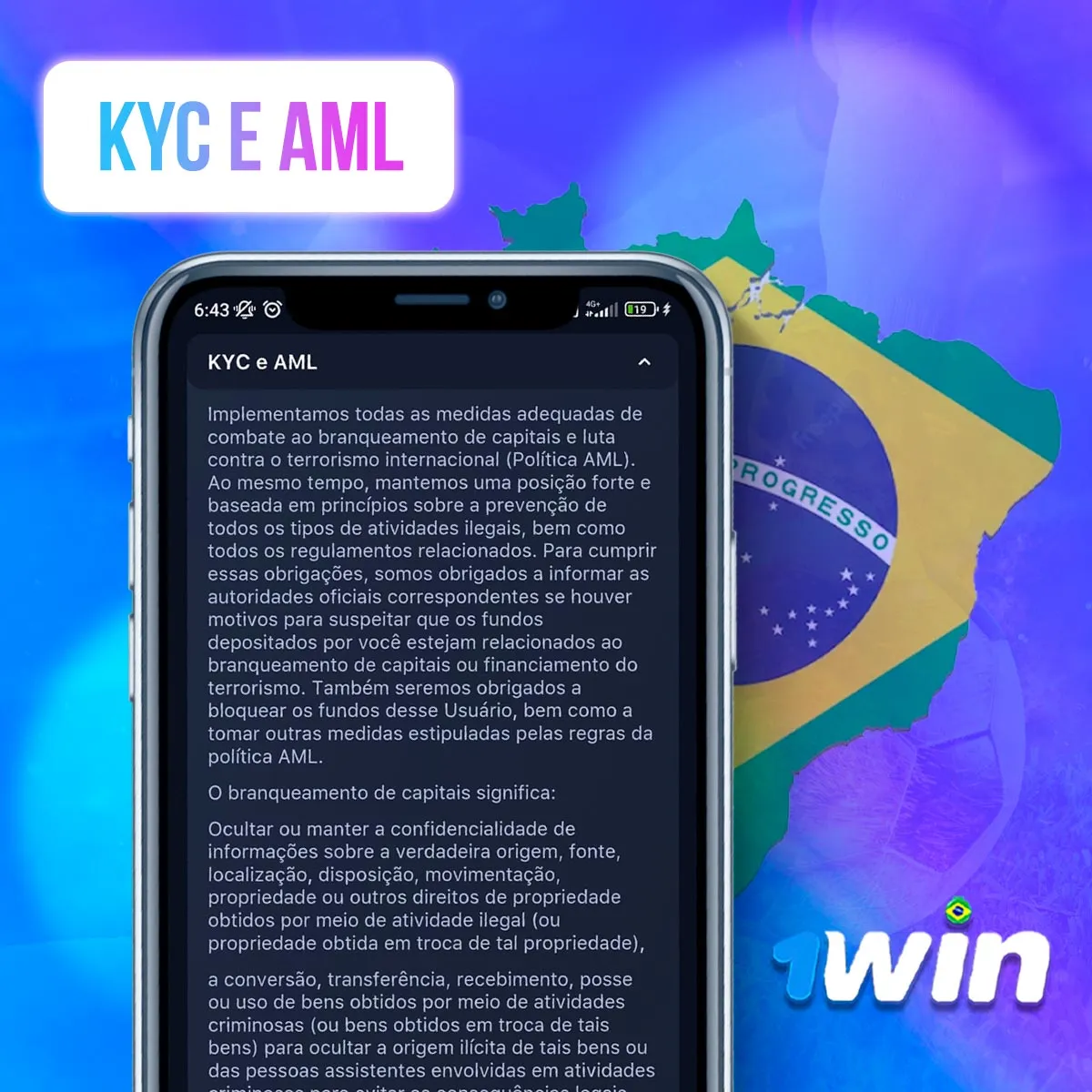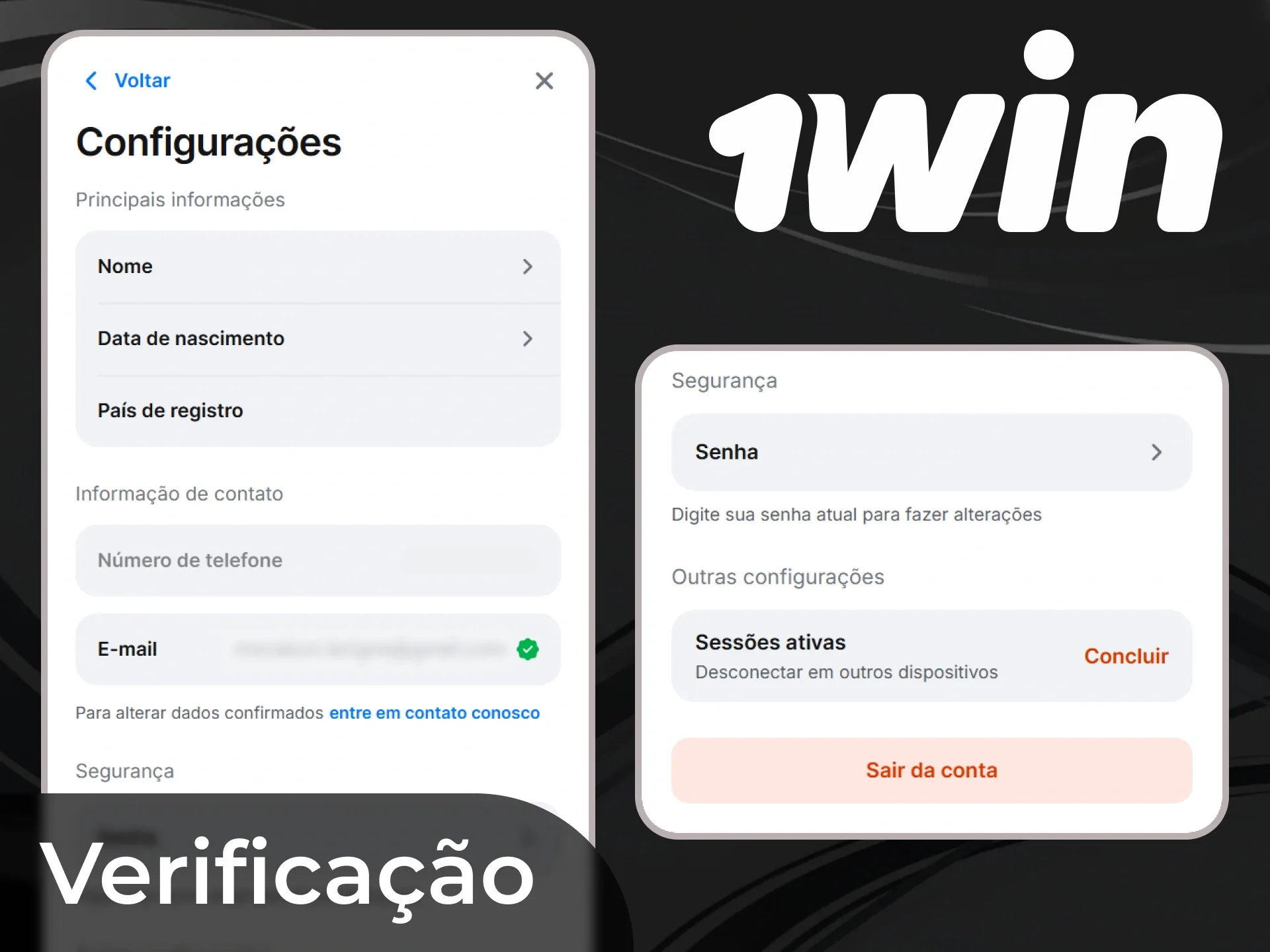
KYC stands for Know Your Customer. In services handling money, the procedure aims to connect an account with an identified person. A request may involve registration details and documents, depending on the service, the stage of the process and the purpose of the review.
Identification can help detect account misuse and inconsistencies. However, a document request alone does not prove that a website is authorised or secure. Check the address and the recipient’s identity before sending files.
An identification process commonly includes these stages:
- Collection of information needed for the stated purpose
- Checking documents against account details
- Assessment of discrepancies and risk factors
- Further reviews when new information requires investigation
AML stands for Anti-Money Laundering and refers to controls intended to identify and prevent money laundering. It covers more than a photograph of an identity document: transaction analysis, investigation of patterns and internal compliance procedures.
Specific obligations depend on the activity and jurisdiction. When reading a policy, distinguish a general description of controls from a verifiable explanation of who processes the data, why they need it and how long they retain it.
Components commonly associated with AML programmes include:
- Transaction monitoring to identify inconsistent patterns
- Procedures for investigating and reporting suspicions to the relevant authorities
- Training for staff responsible for controls
- Internal rules, records and reviews of compliance procedures
KYC and AML complement each other, but do not guarantee a withdrawal or replace checks on a service’s status. For matters involving 1win, send documents only through a verified channel and retain the case reference. This information website does not receive identity files or verify player accounts.